


When to Stop Mowing for the Season

The right time to stop mowing for the year isn't a date circled on a calendar — it's a point the grass itself tells you it's reached. Growth slows gradually as fall cools down, and the actual signal to make the last cut is growth, not the month.
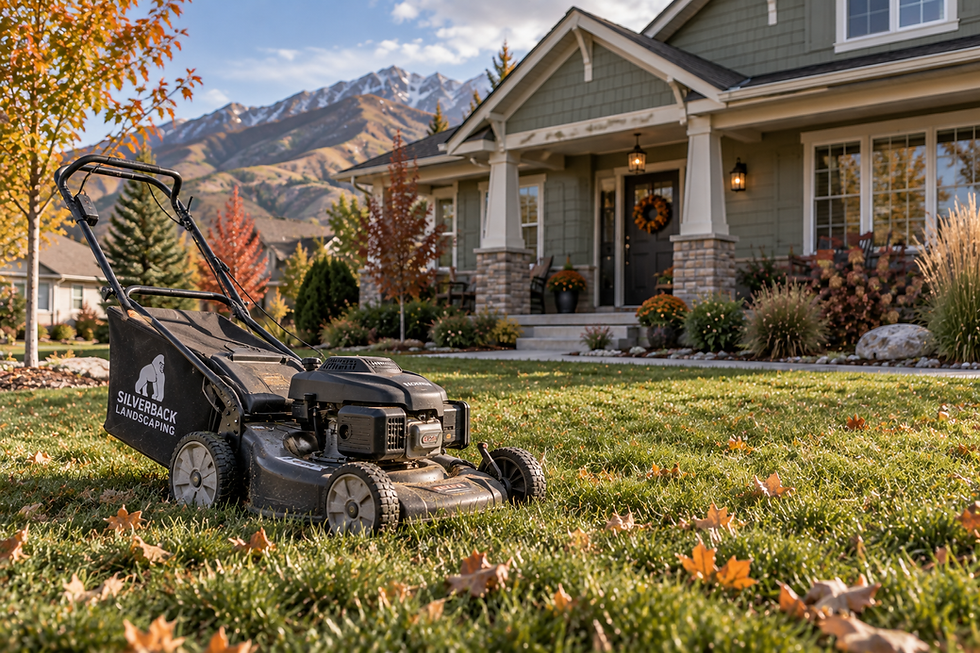
Watch the Grass, Not the Calendar
USU Extension puts it simply: continue mowing the lawn until it stops growing. That's a growth-rate cutoff, not a fixed date, which is why “when to stop mowing” doesn't have the same answer every year — a warm fall pushes the last mow later, a cold one moves it earlier.
Getting the Very Last Cut Right
Height matters more on the final cut than on any mow earlier in the season. USU Extension's fall task guidance puts the last mowing between late October and early November, with the cutting height brought down to around 2 inches. USU Extension is direct about why: leaving grass long and shaggy going into winter encourages a disease complex called snow mold, since tall grass mats down under snow in a way a shorter cut doesn't.

Common Mistakes
Stopping while the grass is still actively growing. If growth hasn't actually slowed yet, stopping mowing early just leaves grass long for winter — exactly the condition that favors matting and fungal disease under snow.
Confusing a mid-season dormancy pause with the real end of the season. University of Maryland Extension notes that a lawn shouldn't be mowed when it's wet or has paused growth from heat or drought stress — but that's a different situation from fall dormancy, and it's easy to mistake a stressed summer lawn for one that's genuinely done growing for the year.
Skipping the height drop on the last cut. Mowing at the same height all fall and then just stopping misses the actual benefit of that final, lower cut — the height reduction is doing real work against snow mold, not just tidying things up.

FAQs
How do I know if my grass has actually stopped growing versus just slowed down?
Watch how much height it gains between mows as the weeks get cooler. Once it's barely gaining anything over a week or two of cool weather, that's the signal it's genuinely done for the season rather than just growing more slowly.
Should the last mow be shorter than my usual cutting height?
Yes — USU Extension's guidance is to bring the height down to around 2 inches for that final cut, even if a higher height was used through the rest of the season.
I already stopped mowing and the grass is a bit long — is it too late to fix?
If there's still a reasonable window before hard freezes set in, getting one more lower cut in is worth doing, specifically to reduce the matting risk that favors snow mold over winter.
Does this same growth-based rule apply everywhere, or is it different for Utah's lawns specifically?
The growth-based cutoff and the lower final-cut height both apply to the cool-season grasses common in Utah lawns — warm-season grasses in other climates follow a different set of rules that don't apply here.
Is this worth having a professional handle as part of a fall visit?
Judging the right week for that last cut — and making sure the height actually comes down instead of just repeating the same mow — is easy to get right on paper and still miss in practice. Get a free quote → and we'll time it as part of your fall service.


Comments